Neda Ghandhari, Ph.D.
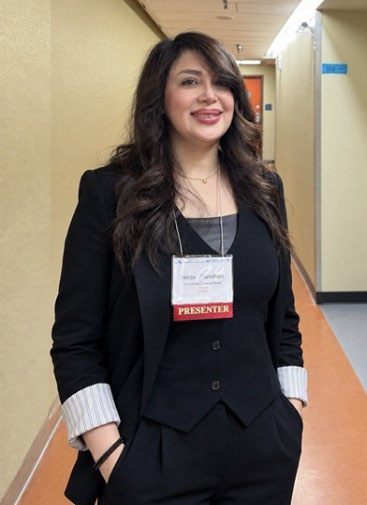
Neda Ghandhari, Ph.D.
University Educator | Applied Linguist |Teacher Educator | Researcher | Instructional Designer | Digital Pedagogy Specialist
Neda Ghandhari, PhD, is an applied linguist, university instructor, and teacher educator with extensive teaching experience in Canada and internationally. She holds a PhD in Applied Linguistics from the University of Tehran (UT), a Master of Education (M.Ed.) from Thompson Rivers University (TRU), and a master’s degree in Applied Linguistics. She completed her initial Teacher Training Course (TTC) in Ankara, Türkiye, and holds TESL Canada Standard Two (Diploma) and Standard Three certifications, the latter being the highest certification level offered by the TESL Canada Federation. She also holds a Teaching Learners with Special Needs (TLSN) certificate recognized by TESL Canada.
Neda’s teaching experience encompasses fully online, hybrid, and in-person instruction across Canadian universities, colleges, and educational organizations, including University Canada West, Thompson Rivers University, Douglas College of BC, SUCCESS. She has taught post-secondary courses in Applied Linguistics and Education, university preparation and pathway programs, general and academic English, examination preparation, and LINC programs at different levels. Her experience also includes delivering fully online TESL teacher education and practicum observation for teacher trainees in Canada and abroad, including trainees in East Asian countries such as Japan and China.
Her teaching approach emphasizes learner-centred instruction, clear communication, active participation, and the connection between theory and practice. She designs instructional materials and interactive learning activities around learners’ needs and learning objectives, drawing on Universal Design for Learning, differentiated instruction, and educational technology to promote engaging and inclusive learning experiences.
In 2025, Neda was nominated by students at University Canada West as an Inspiring Woman in recognition of her teaching, mentorship, and commitment to student success. Her research interests include psycholinguistics, pragmatics, plurilingualism and pluriculturalism, language and cognition, and the application of AI and educational technology in language education.
Areas of Specialization
- English Language Education and Academic Communication: General and academic English, English grammar, English for Academic Purposes (EAP), academic writing and APA conventions, Business English, intercultural communication, and standardized test preparation, including CELPIP, IELTS, PTE, Duolingo English Test, SAT, and GRE.
- Applied Linguistics and Language Research: Psycholinguistics, first language acquisition, second language learning, pragmatics, language, culture and identity, research methodology, and capstone research projects.
- TESL Teacher Education and Pedagogical Practice: Language teaching methodology, learning theories and pedagogical principles, curriculum development, language teaching assessment, technologyenhanced pedagogy, and professional development for language educators
- Curriculum Design, Digital Pedagogy, and Educational Technology: Course design and development, instructional materials, online and hybrid learning, digital learning resources, interactive activities, learner-centred instructional design, and the ethical integration of artificial intelligence in education.
- Language Assessment, Academic Development, and Learner Support: Language assessment and placement, learner progress evaluation, individualized feedback, study skills, online practicum observation, and inclusive approaches to supporting learners with diverse educational needs.